
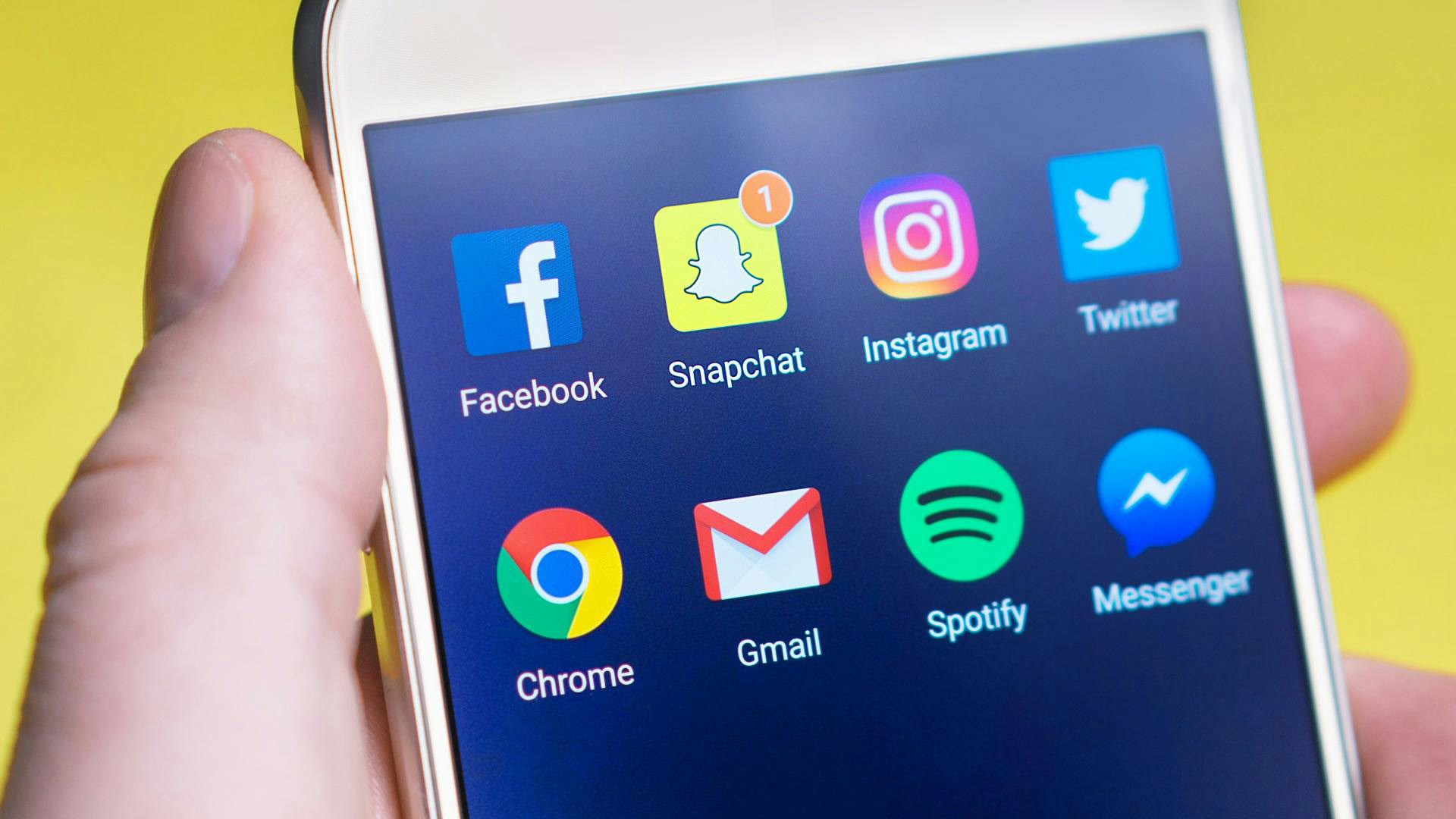
In the digital age, social media advertising is one of the most powerful tools available for small businesses. With billions of active users on platforms like Facebook, Instagram, LinkedIn, and Twitter, social media has become a fertile ground for businesses to reach a broader audience, build brand recognition, and drive sales.
Unlike traditional advertising methods, social media advertising offers precision targeting, affordable pricing, and real-time analytics, making it a great solution for small businesses operating with tighter budgets. But for many small business owners, understanding how to make the most of social media ads can be overwhelming.
In this article, we’ll guide you through how to create and optimize social media advertising campaigns that can significantly boost your small business’s growth. Whether you’re just getting started or looking to improve your current ad strategy, these insights will help you harness the power of social media advertising.
Why Social Media Advertising is Essential for Small Businesses
Social media advertising provides a unique advantage: the ability to target specific audiences with laser-like precision. Instead of casting a wide net with the hope of attracting potential customers, social media ads allow small businesses to reach the exact demographic that is most likely to engage with their products or services.
Here are some reasons why social media advertising is essential for small businesses:
- Cost-Effective: Social media ads are generally more affordable than traditional advertising options. You can run campaigns with as little as $5 per day and still see impactful results.
- Precision Targeting: Platforms like Facebook and Instagram allow you to target based on demographics, interests, behaviors, and even past interactions with your brand.
- Measurable Results: With tools like Facebook Ads Manager, you can track how your ads are performing in real-time, allowing you to optimize for better results.
- Boosts Brand Awareness: Even if your audience isn’t ready to buy immediately, social media ads keep your brand top-of-mind, increasing the likelihood of future engagement or purchases.
With these benefits in mind, it’s clear that social media advertising is a critical component of a modern digital marketing strategy.
Choosing the Right Platform for Your Social Media Ads
Not every social media platform is created equal, and the best platform for your business depends on your target audience and the type of products or services you offer. Here’s a breakdown of the major platforms and what they offer small businesses:
- Facebook: With over 2.8 billion users, Facebook remains the go-to platform for social media advertising. It’s especially useful for businesses targeting a wide demographic range, from teenagers to retirees. Facebook Ads allow you to use a variety of ad formats such as carousel ads, video ads, and lead generation forms, making it suitable for most types of businesses.
- Instagram: Owned by Facebook, Instagram is a visual-first platform with a younger demographic. It’s ideal for businesses with visually appealing products, such as fashion, beauty, or food. Instagram ads, particularly Instagram Stories ads, are effective in creating immersive experiences that drive engagement.
- LinkedIn: If your business is B2B (business-to-business), LinkedIn is your best bet. The platform caters to professionals and decision-makers, making it the perfect place to run targeted ads for high-ticket services, job recruitment, and professional consulting.
- Twitter: Twitter ads work well for real-time campaigns, promotions, and generating conversations around trending topics. It’s a great platform for businesses that thrive on engagement and want to keep their audience up-to-date on the latest news or offers.
- Pinterest: Perfect for businesses focused on lifestyle, home décor, fashion, and DIY products, Pinterest ads allow businesses to target users based on their specific interests and create visually-driven campaigns.
Choosing the right platform is the first step toward a successful social media advertising strategy. Focus on the platform where your audience spends the most time, and you’ll be better positioned to drive meaningful engagement and conversions.
Creating Your First Social Media Ad Campaign
Once you’ve chosen the right platform, it’s time to dive into the actual campaign creation process. Here’s a step-by-step guide to launching your first social media ad campaign:
- Define Your Campaign Goals
Before creating any ad, determine what you want to achieve. Are you looking to increase brand awareness, drive traffic to your website, or generate leads? Your campaign goals will dictate everything from the ad format to the targeting options.
Common social media ad goals include:
- Increasing website traffic
- Boosting post engagement
- Collecting leads or email subscribers
- Promoting a specific product or service
- Driving sales
- Target the Right Audience
One of the greatest benefits of social media advertising is the ability to target specific audiences. You can refine your audience based on factors like:
- Age
- Location
- Gender
- Interests
- Behaviors
You can also create custom audiences by uploading customer data, or target people who have interacted with your business in the past using retargeting.
- Choose the Right Ad Format
Different platforms offer different types of ads. Here are some common ad formats:
- Image Ads: Simple but effective, these ads feature a single image with text and a call-to-action (CTA).
- Video Ads: Great for storytelling or showcasing product features, video ads tend to have higher engagement rates.
- Carousel Ads: These allow you to display multiple images or videos within a single ad, each with its own CTA.
- Story Ads: These full-screen vertical ads appear on platforms like Instagram and Facebook and are highly immersive.
- Craft Engaging Ad Copy and Visuals
The key to a successful ad is a combination of compelling visuals and engaging copy. Make sure your images or videos are high-quality and that your copy clearly communicates the value your product or service offers. Keep it short, snappy, and focused on the customer’s pain points.
Your ad should also include a strong CTA that encourages users to take the desired action, whether it’s visiting your website, signing up for a newsletter, or making a purchase.
- Set Your Budget and Schedule
One of the most attractive features of social media advertising is the ability to control your budget. Most platforms allow you to set a daily or lifetime budget, and you can choose to run your ads continuously or schedule them for specific dates and times. - Monitor and Optimize Your Campaign
Once your campaign is live, the work isn’t over. Monitoring its performance is crucial. Use the analytics tools provided by the platform (e.g., Facebook Ads Manager) to track key metrics like:
- Click-through rate (CTR)
- Conversion rate
- Cost per click (CPC)
- Return on ad spend (ROAS)
If certain ads are underperforming, try tweaking the visuals, copy, or targeting to improve results.
Maximizing ROI with Retargeting Ads
One of the most effective ways to maximize the ROI of your social media ad spend is through retargeting. Retargeting ads allow you to reach people who have already engaged with your business but haven’t yet converted. This can include:
- Visitors who have browsed your website without making a purchase.
- Users who have added products to their cart but didn’t complete the checkout process.
- People who have interacted with your social media posts but didn’t take further action.
Retargeting ads keep your business top-of-mind and can nudge potential customers toward conversion. Many businesses see a significant increase in sales and leads when they incorporate retargeting into their social media advertising strategy.
Budgeting for Social Media Advertising
For small businesses with limited marketing budgets, the flexibility of social media advertising is a huge advantage. You don’t need to spend thousands of dollars to see results. In fact, many businesses start with a budget as low as $5 to $10 per day.
Here are some tips for budgeting effectively:
- Start Small: Launch your first campaigns with a modest budget to test which ads and targeting options work best.
- Allocate Based on Performance: As you gather data, allocate more of your budget to the ads and platforms that deliver the highest ROI.
- Optimize Frequently: Regularly monitor your campaigns and optimize them to ensure your budget is being spent efficiently.
Conclusion: Harness the Power of Social Media Ads to Grow Your Small Business
With billions of people using social media daily, social media advertising offers a tremendous opportunity for small businesses to reach their ideal customers, generate leads, and drive sales. By creating targeted campaigns with a clear strategy, you can maximize your ROI and compete with larger businesses in a cost-effective way.
At Make the Pivot, we specialize in helping small businesses craft effective social media ad campaigns that deliver results. Whether you’re looking to launch your first ad or optimize an existing campaign, our team of experts is here to help you succeed.
Frequently Asked Questions
Which social media platform is best for small business advertising?
For most small businesses, Facebook is ideal due to its vast user base and targeting options. Instagram works well for visually driven products, and LinkedIn is great for B2B companies.
How can I measure the success of my social media ad campaigns?
Track key metrics like Click-Through Rate (CTR), Conversion Rate, Cost Per Click (CPC), and Return on Ad Spend (ROAS). Engagement metrics, like likes and shares, also gauge success.
What are retargeting ads, and how do they work?
Retargeting ads reach users who have interacted with your business but didn’t convert. These ads remind them of your products, increasing the chance they’ll complete a purchase.
Is social media advertising better than traditional advertising for small businesses?
Yes. Social media ads are generally more cost-effective, offer better targeting, and provide real-time, measurable results compared to traditional advertising like print or TV.
How do I target the right audience with my social media ads?
Use demographics, interests, and behaviors to target the right audience. Tools like custom audiences and lookalike audiences help you reach people similar to your existing customers.

0 Comments